
Discover the Power of Nutrition: What the New Food Guide Pyramid Means for Your Health
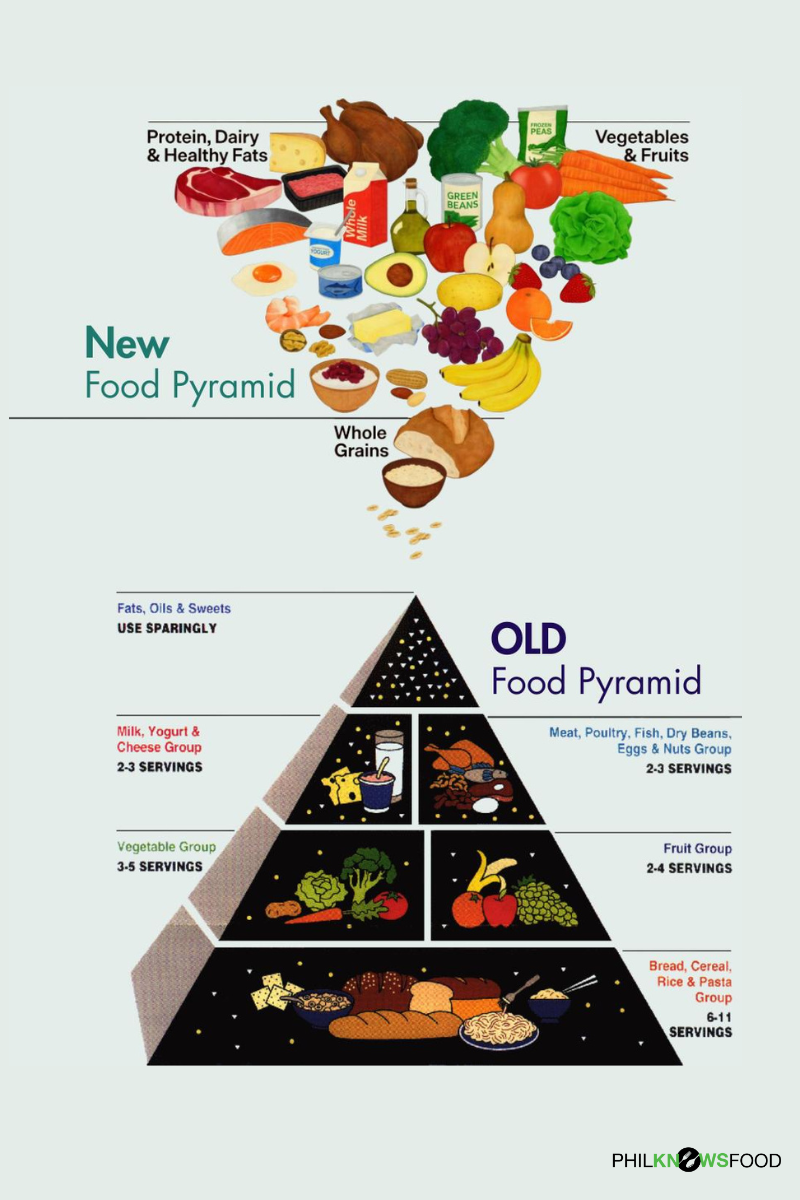
March is National Nutrition Month, and this year’s theme, “Discover the Power of Nutrition,” could not be more timely.
Why? Because the conversation around food in America is shifting. Again.
For decades, we were taught that the base of our diet should be bread, cereal, rice, and pasta. The original Food Guide Pyramid from the early 1990s encouraged 6 to 11 servings of grains per day as the foundation of health. For many, that meant we were essentially one bowl of pasta away from “optimal wellness.”
Low fat was praised.
Protein was secondary.
Healthy fats were treated like the villain in a bad nutrition movie.
Yet despite all of this guidance, chronic disease rates continued to rise.
Today, approximately 129 million Americans, nearly 60% of adults, live with at least one major chronic condition such as heart disease, diabetes, obesity, or cancer. About 40% live with two or more.
Obesity alone has reached historic levels. In the early 1990s, when the grain based pyramid was introduced, no state had an adult obesity rate above 20 percent. Today, more than 42% of U.S. adults are classified as obese, and nearly 1 in 5 children and adolescents are affected.
These numbers represent not just weight gain, but a profound rise in metabolic dysfunction closely tied to dietary patterns dominated by refined carbohydrates, added sugars, and ultra processed foods.
Why does this matter? Because many of these conditions are driven, or heavily influenced, by nutrition and lifestyle patterns.
Now, the updated food guidance reflects something many of us in the nutrition field have known, and practiced, for years:
Quality matters more than quantity.
Not more food.
Not fewer calories.
Better food. Real food.
Food is not just fuel.
It is information, and your body reads every label.
When the information coming in is ultra processed, sugar loaded, and refined, the message your body receives is clear: increase inflammation.
Why This Matters for Inflammation and Chronic Disease
At the core of nearly every major chronic condition is one common thread: inflammation.
Not the short term inflammation that helps you heal from a cut or fight off an infection, but chronic, low grade inflammation that quietly simmers beneath the surface for years.
This type of inflammation is strongly linked to cardiovascular disease, type 2 diabetes, autoimmune disorders, neurodegenerative decline, hormonal imbalances, and even stubborn weight gain that resists traditional dieting approaches.
What drives this inflammatory burden? Diet plays a MAJOR role.
Highly processed foods, excess added sugars, refined carbohydrates, and poor quality fats create repeated blood sugar spikes and metabolic stress. Over time, this pattern contributes to insulin resistance, disrupted gut health, altered lipid levels, and systemic inflammation.
The encouraging news is this: nutrition can shift that trajectory.
When we build meals around adequate protein, high fiber vegetables, polyphenol rich fruits, healthy fats, and significantly reduced added sugars, we begin to see powerful shifts:
Inflammatory pathways begin to calm
Blood sugar stabilizes
Insulin sensitivity improves
The gut microbiome becomes more diverse and resilient
Lipid profiles often improve
Lean muscle is preserved
Hormonal balance becomes more achievable
Energy levels steady instead of spike and crash
This is not about perfection. It is about direction.
And this is the power of nutrition.
So What Is Different Now?
The original 1992 Food Guide Pyramid placed grains firmly at the base of the American diet. Bread, cereal, rice, and pasta were positioned as the foundation of health, while fats were limited, protein was recommended in smaller portions, and low fat dairy was heavily emphasized.
At the time, this approach seemed logical: reduce fat, increase grains, and chronic disease would decline.
However, that is NOT what happened.
Instead, we saw:
A surge in refined carbohydrate intake
A wave of ultra processed “low fat” foods
Added sugars used to compensate for lost flavor
Increased blood sugar instability
Rising insulin levels
Quiet, chronic inflammation beneath the surface
Despite good intentions, the unintended result was a dietary pattern that often fueled metabolic dysfunction rather than preventing it.
The new direction shifts the focus from quantity to quality.
Instead of prioritizing large amounts of grains, particularly refined ones, the updated guidance emphasizes high quality protein, fiber rich vegetables, whole fruits, healthy fats, minimally processed foods, and a meaningful reduction in added sugars.
Grains are no longer the automatic foundation of every meal. Instead, they are included intentionally, with a focus on whole, minimally processed options.
The conversation has evolved from “eat more carbs” to a more strategic message: stabilize blood sugar, protect lean muscle, reduce inflammation, and support long term metabolic health.
This is not about eliminating carbohydrates.
It is about choosing them wisely and building meals that work with your biology instead of against it.
This is not anti carb.
It is anti inflammatory.
Discover the Power of Nutrition — What It Really Means
National Nutrition Month is NOT about starting another diet. We know diets do NOT work!
It is NOT about cutting carbs on Monday and reintroducing them by Thursday.
It is NOT about chasing the latest food trend on social media.
It is about understanding something far more powerful:
Food is information.
Every bite sends signals to your metabolism.
Every meal either supports balance or contributes to inflammation.
Discovering the power of nutrition means moving beyond calorie counting and asking a better question: What is this food telling my body to do?
It means choosing real food over clever packaging.
It means understanding blood sugar balance instead of fearing carbohydrates.
It means protecting lean muscle, especially as we age.
It means building resilience, not just chasing weight loss.
In short, it means eating with INTENTION!
Ahead of the Curve
Here is what I love most about this shift in national nutrition guidance:
These principles are not new.
They are exactly what I built Cracking The Food Code and Phil’s 30-Day REBOOT on long before the updated guidelines were released.
These resources have always emphasized:
RESET → Reset your metabolism and reduce inflammation
REFUEL → Prioritize protein and real food
REWIRE → Change the way you think about nutrition
From the beginning, we focused on stabilizing blood sugar, including quality protein at every meal, incorporating anti inflammatory fats, increasing fiber rich plants, and eliminating ultra processed foods.
Not because it was trendy.
Not because it was marketable.
Because it was science based.
Now the national conversation is catching up, and that should feel empowering, not confusing.
The question now becomes:
How do we put this into practice in real life?
A Gift for You: The “New Food Guide Pyramid” Daily Check Off Sheet
To make this simple and actionable, I created the Phil Knows Food “New Food Guide Pyramid” Daily Check Off Sheet, a practical tool to help you apply these principles immediately.
Think of it as your daily compass.
Not for perfection, but for direction!
If you would like a printable version you can use for the next 7 days, download it below:
→ Download the Daily Check Off Sheet
Your Next Step
If you are ready to align with these evidence informed principles and apply them with clarity and confidence, I have created resources to guide you.
1. Phil Knows Food Website
Access free recipes, blogs, product recommendations, and practical tools to help you reduce inflammation, build balanced plates, and make smarter everyday choices.
2. Cracking The Food Code (Available on Amazon)
This book explains the science behind inflammation and why traditional diets do NOT work. You will learn:
How blood sugar influences hormones and energy
How to identify hidden added sugars and ultra processed seed oils
How to increase fiber strategically
How to choose truly anti inflammatory foods
It walks you through a practical pantry reset, supports gut health, and teaches intentional self care through nutrition.
The goal is not restriction.
It is empowered decision making for sustainable change, improved microbiome diversity, and stronger immunity.
3. Phil’s 30-Day REBOOT
This structured online program turns knowledge into action.
Designed to wipe the slate clean, the REBOOT helps you:
RESET → Reset your metabolism and reduce inflammation
REFUEL → Prioritize optimal, protein forward, gut supportive nutrition
REWIRE → Change foundational habits from the ground up
It includes the Complete REBOOT Guide, your step by step roadmap to upgrading your kitchen, strengthening your microbiome, supporting immunity, and building lasting metabolic resilience.
You do not need another diet.
You need a framework that works with your biology.
Progress over perfection. Always!
Together, these resources teach you how to:
RESET → Reset your metabolism and reduce inflammation
REFUEL → Prioritize quality protein and real food
REWIRE → Change the way you think about nutrition for lasting results
This is NOT about dieting harder.
It is about rebuilding smarter.
You do not have to navigate it alone.
You just need the right framework.
This National Nutrition Month, as we Discover the Power of Nutrition, remember:
The real power lies in learning how to RESET, REFUEL, and REWIRE your way to optimal health, one intentional choice at a time.
PROGRESS OVER PERFECTION. ALWAYS!
In Health,
Phil
P.S. If you missed last month’s newsletter on what your plate should actually look like, here it is again:
The New Food Guide Pyramid: What It Really Means for Your Plate
The updated food guide pyramid reflects a shift away from one-size-fits-all nutrition and toward food quality, balance, and metabolic health.
At its core, the new pyramid emphasizes:
Adequate protein to support muscle, metabolism, immune health, and blood sugar stability
Fiber-rich plants for gut health, hormone balance, and inflammation control
Healthy fats to support the brain, heart, and satiety
Minimally processed, real foods over ultra-processed options
This is NOT about restriction or perfection. It is about giving your body what it needs to function well, especially in a world where chronic inflammation, autoimmune conditions, insulin resistance, and digestive issues are increasingly common.
What Should Your Plate Look Like?
Under the new guidelines, a balanced plate is simple and flexible:
½ your plate: Colorful, fiber-rich vegetables (and some fruit)
¼ of Your Plate: High-Quality Protein (quality matters!) - Pasture-raised poultry & eggs (no added hormones or routine antibiotics), Wild-caught fish or responsibly farmed seafood, Grass-fed & grass-finished meats (higher omega-3s, fewer inflammatory fats), Organic, non-GMO tofu or tempeh (preferably fermented), Legumes (organic when possible; properly soaked or cooked for digestibility)
¼ of your plate: Smart carbohydrates from whole sources like beans, lentils, quinoa, or sweet potatoes, as tolerated
Healthy fats throughout: Olive oil, avocado, nuts, and seeds, included intentionally
This approach prioritizes protein first, fiber always, and quality over quantity, helping stabilize blood sugar and reduce inflammation.
Why the Old Food Pyramid Missed the Mark
The traditional food pyramid emphasized refined grains and low-fat products, often encouraging more carbohydrates and less protein and fat without considering blood sugar, gut health, or metabolic differences. The result? Rising rates of obesity, diabetes, heart disease, and autoimmune conditions.
How Phil Knows Food Embraces the New Pyramid
At Phil Knows Food, we have been teaching these principles long before they had a new name. Building meals around protein, layering in fiber-rich plants, including healthy fats without fear, and reducing added sugars and ultra-processed foods. This supports stable energy, balanced blood sugar, and sustainable habits, not quick fixes.
The new food pyramid is not a trend...it’s a return to common-sense nutrition. If you need guidance in putting this into practice, Phil’s 30-Day REBOOT and Cracking The Food Code offer simple, practical tools to help turn these guidelines into everyday habits that last.
