
A Lighter Take on a Classic: Slow Cooker Turkey Corned “Beef” & Cabbage
Traditional corned beef is undeniably delicious, but let’s be honest, it can also be a sodium and saturated fat bomb. This updated version keeps the nostalgic flavor you love while making a strategic, heart smart swap: turkey corned breast.
With a simple sodium reduction step and a finish of olive oil and vinegar instead of butter, this recipe supports blood pressure, cholesterol balance, and post menopause metabolic health without sacrificing protein or satisfaction.
It is a classic comfort food REBOOTED.
Why This Version Is Healthier
Lower saturated fat than traditional brisket
High protein, 30+ grams per serving
Higher potassium from cabbage and carrots
No butter, finished with olive oil and vinegar
Optional sodium reduction step
Because at Phil Knows Food, we do not diet harder. We get smarter.
The Recipe
Serves 6
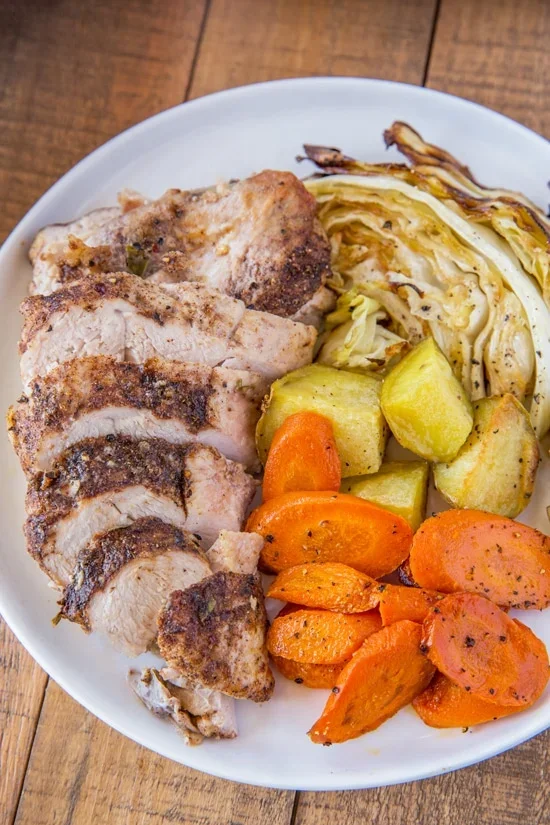
Ingredients
2½–3 lb turkey corned breast, choose lowest sodium available
1 large onion, sliced
3 cloves garlic, smashed
2 bay leaves
1 tsp black peppercorns
1 tsp mustard seeds
½ tsp coriander seeds
4 carrots, chopped
1 small head green cabbage, cut into wedges
½ lb baby potatoes, optional
1 tbsp extra virgin olive oil
1–2 tbsp apple cider vinegar
2–3 cups water
Directions
Step 1 (Optional Sodium Reduction)
Rinse turkey thoroughly. Place in a pot, cover with water, bring to a boil for 5 minutes, then drain. Transfer to slow cooker.
Step 2
Place onion and garlic in slow cooker. Add turkey and spices. Pour in 2–3 cups water so liquid comes halfway up the meat.
Cook:
LOW 6–7 hours
HIGH 3–4 hours
Step 3
Add carrots and potatoes during the last 90 minutes
Add cabbage during the last 45–60 minutes
Rest meat 5–10 minutes before slicing against the grain
Finish vegetables with olive oil, parsley, and apple cider vinegar instead of butter
If You Prefer Traditional Brisket
Not everyone will want turkey. That is okay.
Here is how to make a smarter brisket choice.
Choose the Leanest Cut
Flat cut is leaner and slices cleanly.
Point cut has more marbling and significantly higher fat.
Look at Visible Fat
Choose brisket with:
The thinnest fat cap
Minimal marbling
No thick white seams running through the meat
You can trim fat at home, but starting lean matters.
Check the Nutrition Label
Look for:
Saturated fat 3g or less per 3–4 oz serving
Lower sodium, ideally under 800 mg per serving before rinsing
Sodium varies widely between brands.
Trim Before and After Cooking
Trim the fat cap before cooking
After cooking, let it rest and slice
Remove visible interior fat before serving
This meaningfully reduces saturated fat per portion.
Portion Strategy
For heart health:
3–4 oz cooked portion
Fill the rest of your plate with cabbage, carrots, and high fiber vegetables
Cooking Time Comparison
What stays the same:
Same slow cooker setup
Same vegetables
Same spice packet
Same low and slow method
What changes:
Beef Brisket
LOW 8–10 hours
HIGH 4–5 hours
Turkey Corned Breast
LOW 6–7 hours
HIGH 3–4 hours
Brisket should be fork tender and slice easily across the grain.
Macro Comparison
Turkey Plate
4 oz turkey + vegetables + small potato
Calories 320–350
Protein 34–38 g
Total Fat 6–8 g
Saturated Fat 1–2 g
Carbohydrates 35–40 g
Fiber 5–6 g
Sodium 600–800 mg
What Changes With Brisket
+120–150 calories
+18–22 grams more fat
+8–10 grams more saturated fat
+300–400 mg more sodium
Slightly less protein
Carbs and fiber stay about the same. The metabolic difference comes from fat quality and sodium load.
This is not about never brisket. It is about understanding the metabolic math, especially in midlife, heart disease, cholesterol management, and blood pressure support.
Those extra 10 grams of saturated fat and 300+ mg sodium matter. That is working smarter, not dieting harder.
Want It Even More Heart Protective
Skip potatoes and double the cabbage
Serve with a side salad dressed in olive oil and lemon
Pair with sparkling water and citrus instead of beer
And then?
Enjoy it. Sit at the table. Laugh loudly. Tell the stories. Savor the food, the friends, and the festivities without guilt. Because nourishment is more than macros. It is connection, celebration, and tradition.
When you make intentional choices most of the time, you earn the freedom to be fully present the rest of the time.
That is sustainable health.
That is balance.
That is the true power of nutrition.
Enjoy!
